2026 Energy Assistance: LIHEAP & Weatherization Grants Guide
The 2026 energy assistance programs, including LIHEAP and weatherization grants, offer vital support to eligible households, aiming to reduce utility bills by up to 15% through direct aid and home efficiency improvements.
As we navigate the economic landscape of 2026, understanding and accessing available support is more crucial than ever. For many households across the United States, managing utility costs remains a significant challenge. Fortunately, 2026 Energy Assistance Programs, particularly the Low Income Home Energy Assistance Program (LIHEAP) and various Weatherization Grants, are designed to alleviate this burden, potentially lowering your utility bills by 15% or more. This comprehensive guide will walk you through the intricacies of these vital programs, ensuring you have the knowledge to secure the assistance you need.
Understanding LIHEAP in 2026: Your Gateway to Heating and Cooling Aid
The Low Income Home Energy Assistance Program (LIHEAP) continues to be a cornerstone of federal aid, providing critical support for low-income households struggling with energy costs. In 2026, LIHEAP’s core mission remains unchanged: to help families manage their heating and cooling bills, prevent energy service disconnections, and address energy-related emergencies.
Administered by states, territories, and tribal organizations, LIHEAP funds are distributed based on several factors, including state population, climate, and the poverty rate. This decentralized approach ensures that the program can adapt to local needs and conditions, providing tailored assistance where it’s most impactful. Eligibility for LIHEAP typically hinges on household income, which must be at or below 150% of the federal poverty level or 60% of the state median income, whichever is greater.
Key Components of LIHEAP Assistance
- Heating Assistance: Direct payments or credits on energy bills to help cover the cost of heating during colder months.
- Cooling Assistance: Support for air conditioning costs, crucial for health and safety in hot climates, especially during summer.
- Crisis Assistance: Emergency aid for households facing immediate disconnection or needing fuel to avoid life-threatening situations.
- Weatherization and Energy-Related Home Repairs: In some cases, LIHEAP funds can be used for minor home repairs that improve energy efficiency, though this is often complemented by dedicated weatherization programs.
Applying for LIHEAP in 2026 requires understanding your state’s specific application process and deadlines. These programs are often seasonal, with application periods opening in the fall for heating assistance and in the spring for cooling assistance. Gathering necessary documentation, such as proof of income, household size, and utility bills, well in advance can significantly streamline the application process. Many states also offer online application portals, making access more convenient for eligible individuals.
In conclusion, LIHEAP in 2026 continues its vital role in providing a financial safety net for vulnerable households facing high energy costs. By understanding its components and application procedures, families can effectively access this crucial aid, ensuring their homes remain safe and comfortable year-round.
Weatherization Grants 2026: Investing in Long-Term Energy Savings
Beyond direct bill assistance, Weatherization Grants offer a proactive solution to rising energy costs by making homes more energy-efficient. These grants fund improvements that reduce energy consumption, leading to sustainable savings on utility bills. The Weatherization Assistance Program (WAP), primarily funded by the Department of Energy, is the federal government’s largest program for improving the energy efficiency of low-income homes.
In 2026, WAP continues to focus on helping eligible households reduce their energy burden and improve their health and safety. The program provides grants to states, which then work with local agencies to deliver weatherization services. These services are not just about plugging leaks; they involve a comprehensive energy audit to identify the most cost-effective measures for each home, ensuring maximum impact on energy savings.
Typical Weatherization Improvements
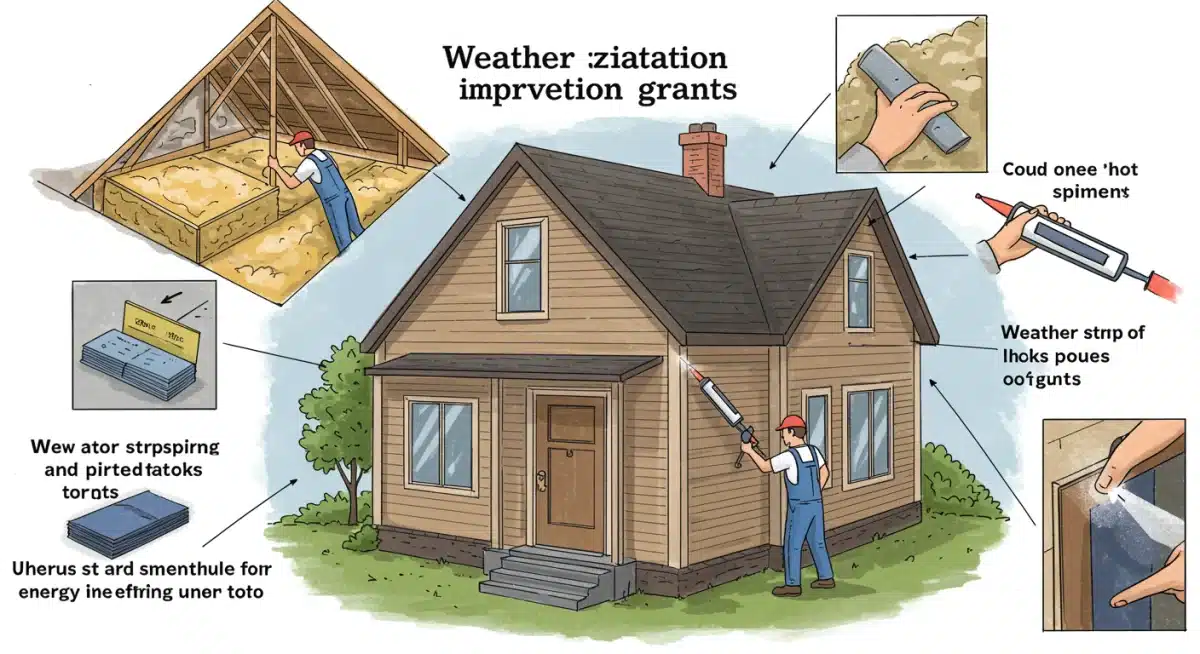
- Insulation: Adding or improving insulation in attics, walls, and floors to prevent heat loss or gain.
- Air Sealing: Sealing leaks around windows, doors, and other openings to reduce drafts and improve indoor air quality.
- Heating and Cooling System Repair/Replacement: Repairing or replacing inefficient heating and cooling systems with more energy-efficient models.
- Window and Door Replacement: Installing energy-efficient windows and doors where necessary to reduce heat transfer.
- Health and Safety Measures: Addressing issues like carbon monoxide leaks, mold, and asbestos to ensure a safe living environment.
The long-term benefits of weatherization are substantial. Not only do homeowners and renters see a significant reduction in their utility bills, often by 15% or more, but they also experience improved indoor comfort and a healthier living environment. These improvements can also increase the lifespan of heating and cooling equipment and reduce maintenance costs. Eligibility for WAP is generally similar to LIHEAP, focusing on low-income households, with priority often given to the elderly, people with disabilities, and families with young children.
To access weatherization grants in 2026, individuals should contact their state’s energy office or a local weatherization agency. These agencies can provide detailed information on eligibility requirements, application procedures, and the types of services available in your area. Investing in weatherization is an investment in your home’s future and your financial well-being.
Eligibility Requirements for 2026 Energy Assistance Programs
As with any government assistance, eligibility for 2026 Energy Assistance Programs like LIHEAP and weatherization grants is determined by specific criteria. Understanding these requirements is the first step toward successfully applying for and receiving aid. While federal guidelines provide a framework, states and local agencies often have additional criteria or prioritize certain demographics.
The primary determinant for eligibility is household income. Generally, households must have an income at or below 150% of the federal poverty guidelines or 60% of the state’s median income, whichever threshold allows for broader access. These figures are updated annually, so it’s crucial to check the most current guidelines for 2026. For example, a family of four might have a different income threshold in a high-cost-of-living state compared to a lower-cost state.
Factors Influencing Eligibility
- Household Size: The number of individuals living in your home directly impacts the income threshold for eligibility.
- Income Documentation: Proof of all household income, including wages, social security benefits, disability payments, and unemployment, is required.
- Residency Status: Applicants must typically be legal residents of the United States.
- Energy Burden: Some programs consider the proportion of income spent on energy costs, prioritizing those with a higher energy burden.
- Vulnerable Populations: Many programs give priority to households with elderly members (60+), individuals with disabilities, or young children (under 5), recognizing their increased vulnerability to extreme temperatures.
It’s important to note that even if your income slightly exceeds the general guidelines, you might still qualify under specific circumstances or for certain types of assistance. For instance, crisis assistance for LIHEAP may have slightly different income thresholds or be more flexible in emergency situations. Additionally, some states might have specific programs for veterans or other particular groups.
Therefore, contacting your local energy assistance office or community action agency is always recommended. They can provide precise information tailored to your situation and guide you through the application process. Being prepared with all necessary documentation will expedite your application and increase your chances of receiving timely assistance.
The Application Process: Navigating LIHEAP and Weatherization in 2026
Applying for 2026 Energy Assistance Programs can seem daunting, but with proper preparation and guidance, it’s a manageable process. Each state and local agency may have slight variations, but the general steps remain consistent for both LIHEAP and Weatherization Assistance.
The first step is to identify your local administering agency. This could be your state’s energy office, a county social services department, or a local community action agency. Many states provide online portals or phone numbers for easy access to this information. Once you’ve located your agency, inquire about their specific application periods and required documentation for 2026.
Essential Documents for Application
- Proof of Identity: Government-issued ID for all adult household members.
- Proof of Residency: A utility bill or lease agreement showing your current address.
- Proof of Income: Pay stubs, tax returns, Social Security award letters, or unemployment benefit statements for all household members.
- Utility Bills: Copies of recent heating and electric bills.
- Social Security Numbers: For all household members.
Many agencies offer online application forms, which can be filled out from the convenience of your home. However, in-person appointments may also be available, especially for those needing assistance with the application itself. It’s crucial to be thorough and accurate with all information provided, as discrepancies can cause delays or even denial of benefits. If you encounter any difficulties, don’t hesitate to ask the agency for help; they are there to assist you.
After submitting your application, there will typically be a review period. This can vary depending on the volume of applications and the time of year. If approved, you will receive notification, and the assistance will be applied directly to your utility account or provided as a direct payment. For weatherization, an energy audit will be scheduled to assess your home’s needs before improvements begin. Proactive application and diligent follow-up are key to a successful outcome.
Maximizing Your Savings: Beyond Direct Assistance in 2026
While 2026 Energy Assistance Programs like LIHEAP and weatherization grants provide crucial immediate and long-term relief, there are additional strategies households can employ to further maximize their energy savings. Combining direct aid with smart energy habits and leveraging other available resources can lead to even greater reductions in utility bills, potentially exceeding the initial 15% target.
One of the most effective ways to save energy is by adopting conscious consumption habits. Simple changes, such as adjusting your thermostat a few degrees, unplugging electronics when not in use (phantom load), and using energy-efficient lighting, can collectively make a significant difference. Educating household members on these practices ensures a collective effort towards energy conservation.
Additional Energy-Saving Strategies
- Smart Thermostats: Investing in a programmable or smart thermostat allows for automated temperature adjustments, optimizing heating and cooling schedules.
- Energy-Efficient Appliances: When replacing old appliances, opt for ENERGY STAR certified models, which consume less energy.
- Home Energy Audits: Even if not eligible for full weatherization, many utility companies offer free or low-cost home energy audits to identify areas for improvement.
- Community Solar Programs: Explore local community solar initiatives that allow you to benefit from solar energy without installing panels on your own roof.
- Utility Company Rebates: Check with your local utility provider for any rebates or incentives on energy-efficient upgrades or appliance purchases.
Many utility companies also offer budget billing or average monthly payment plans, which can help stabilize your energy expenditures throughout the year, preventing unexpectedly high bills during peak seasons. Furthermore, keep an eye out for local grants or non-profit programs that might offer additional support for energy efficiency upgrades or bill assistance that complements federal initiatives.
By proactively integrating these strategies with the benefits from LIHEAP and weatherization grants, households can create a robust plan for managing and significantly reducing their energy costs in 2026 and beyond. This holistic approach not only saves money but also contributes to a more sustainable lifestyle.
Future Outlook and Program Evolution for 2026 Energy Assistance
The landscape of 2026 Energy Assistance Programs is not static; it evolves in response to economic conditions, technological advancements, and policy changes. Understanding these potential shifts is crucial for both program administrators and eligible households, ensuring continued access to vital support and optimization of energy savings strategies.
One significant area of evolution is the increasing emphasis on renewable energy integration and smart home technologies. While current weatherization programs focus on traditional efficiency measures, future iterations may increasingly incorporate solar panel installations, battery storage solutions, and advanced smart home systems that optimize energy use in real-time. This could provide even greater long-term savings and energy independence for low-income households.
Anticipated Program Developments
- Increased Funding for Renewables: Potential for more specific grants or incentives for solar and other renewable energy sources for eligible homes.
- Enhanced Digital Accessibility: Continued improvements in online application platforms and digital resources to simplify access to information and aid.
- Focus on Climate Resilience: Programs may increasingly integrate measures to help homes withstand extreme weather events, which are becoming more frequent due to climate change.
- Broader Eligibility Criteria: Depending on economic indicators, there might be adjustments to income thresholds to encompass a wider range of struggling families.
- Partnerships with Tech Companies: Collaborations to pilot new energy-saving technologies and make them accessible to low-income communities.
Advocacy groups and policymakers are continually working to secure stable and increased funding for LIHEAP and WAP, recognizing their critical role in poverty alleviation and public health. Public awareness campaigns are also vital to ensure that eligible individuals are aware of these programs and how to apply. The goal is not just to provide temporary relief but to empower households with the tools and resources for sustainable energy management.
Staying informed through official government channels, local energy assistance agencies, and community organizations will be key to understanding any new developments or expanded opportunities within 2026 energy assistance programs. These programs represent a dynamic commitment to ensuring that all Americans have access to affordable and efficient home energy, contributing to both individual well-being and national energy goals.
| Key Program | Brief Description |
|---|---|
| LIHEAP | Provides direct financial aid for heating and cooling bills, and emergency energy assistance for low-income households. |
| Weatherization Grants | Funds home improvements like insulation and air sealing to reduce energy consumption and lower utility bills long-term. |
| Eligibility | Primarily income-based (150% FPL or 60% state median income), with priority for vulnerable populations. |
| Application Process | Contact local agencies, gather income and utility documentation, and apply online or in person. |
Frequently Asked Questions About 2026 Energy Assistance
The main objective of 2026 energy assistance programs, including LIHEAP and weatherization grants, is to help low-income households manage and reduce their utility bills, prevent service disconnections, and improve home energy efficiency for long-term savings and comfort.
To apply for LIHEAP in 2026, contact your state’s energy office or a local community action agency. You’ll need to provide proof of income, household size, and utility bills. Applications are often available online, but in-person assistance is also an option.
Weatherization grants typically cover a range of home improvements such as insulation upgrades, air sealing to prevent drafts, repairs or replacements of inefficient heating/cooling systems, and energy-efficient window/door installations. These measures are designed to significantly reduce energy consumption.
Yes, eligibility for most 2026 energy assistance programs is income-based. Households typically need to be at or below 150% of the federal poverty level or 60% of their state’s median income. Specific thresholds can vary by state and household size.
Yes, it is often possible and highly recommended to combine LIHEAP benefits with weatherization grants. LIHEAP provides immediate bill relief, while weatherization offers long-term savings through home efficiency improvements, creating a comprehensive strategy for managing energy costs effectively.
Conclusion
The availability of 2026 Energy Assistance Programs represents a critical lifeline for countless households across the United States. Through initiatives like LIHEAP and various weatherization grants, vulnerable families can find relief from the escalating costs of heating and cooling, while also making sustainable improvements to their homes’ energy efficiency. By understanding the eligibility criteria, navigating the application process diligently, and complementing these programs with smart energy-saving habits, individuals have the power to significantly reduce their utility bills, enhance their living comfort, and foster long-term financial stability. These programs are not merely about temporary aid; they are about empowering communities and building a more energy-secure future for all.