AI in Education: Revolutionizing Personalized Learning by 2026
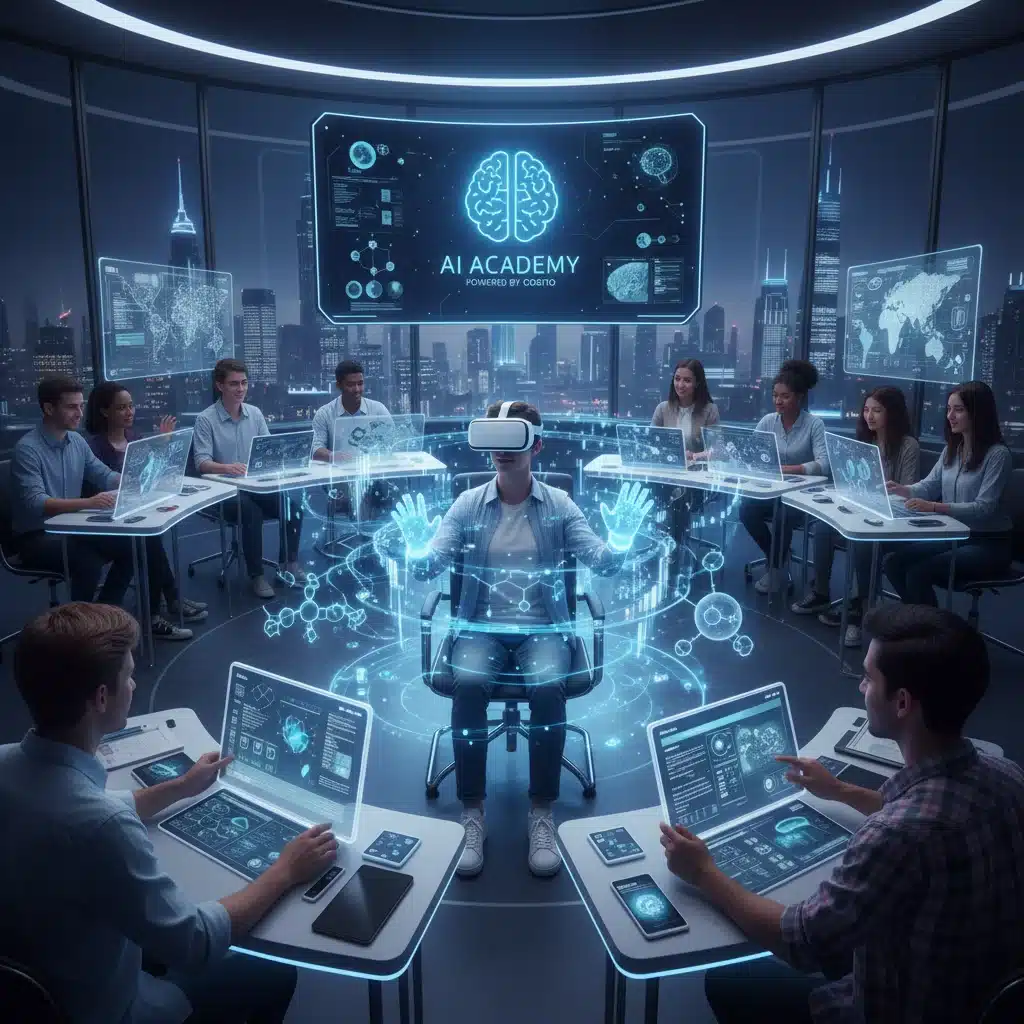
AI in Education: Revolutionizing Personalized Learning by 2026
The landscape of education is on the cusp of a profound transformation, driven by the relentless advancement of Artificial Intelligence (AI). What was once the realm of science fiction is rapidly becoming a tangible reality, with AI poised to redefine how we teach, how we learn, and how we engage with knowledge. By 2026, we anticipate a significant shift, projecting at least a 20% increase in student engagement directly attributable to AI-driven personalized learning experiences. This isn’t merely about integrating technology; it’s about fundamentally reshaping educational methodologies to cater to the unique needs of every learner.
The promise of AI Personalized Learning lies in its ability to adapt, analyze, and anticipate. Traditional one-size-fits-all approaches often leave students disengaged, struggling with concepts that are either too advanced or too basic, or simply not presented in a way that resonates with their individual learning style. AI, however, offers a powerful antidote to these challenges, ushering in an era where education is as unique as the individual receiving it. This comprehensive exploration delves into the multifaceted ways AI is revolutionizing personalized learning, the benefits it brings, the challenges it presents, and what the future holds for education in 2026 and beyond.
The Genesis of Personalized Learning: Why AI is the Catalyst
Personalized learning is not a new concept. Educators have long recognized the inherent individuality of each student and the limitations of mass instruction. From one-on-one tutoring to differentiated instruction, the goal has always been to tailor educational experiences. However, the sheer scale and complexity of managing truly personalized learning for hundreds, thousands, or even millions of students have historically been insurmountable. This is where AI emerges as the ultimate catalyst.
AI’s capacity to process vast amounts of data, identify patterns, and make predictive analyses is unparalleled. In the context of education, this translates into an ability to understand a student’s strengths, weaknesses, learning pace, preferred modalities (visual, auditory, kinesthetic), and even their emotional state during learning. This deep understanding forms the bedrock of truly personalized learning pathways. Without AI, the dream of individualized education remained largely aspirational; with AI, it becomes an achievable, scalable reality.
The transition to AI-driven personalized learning is not a sudden leap but an evolutionary process. Early implementations of educational technology focused on digitizing content and providing basic interactive exercises. While valuable, these tools often lacked the adaptive intelligence to truly respond to individual student needs. Modern AI, however, goes far beyond mere digitization. It actively learns from student interactions, continuously refines its understanding of each learner, and dynamically adjusts the learning content, pace, and assessment methods. This iterative process of learning and adaptation is what makes AI Personalized Learning so revolutionary.
Consider the sheer volume of data generated by a single student’s interaction with digital learning platforms: time spent on tasks, answers to questions, types of errors made, patterns of engagement, and even biometric data in advanced systems. AI algorithms can sift through this data in real-time, identifying subtle cues that a human teacher, despite their best efforts, might miss. This data-driven insight allows for interventions that are precisely timed and specifically targeted, maximizing their impact on student comprehension and retention. The goal is not to replace human teachers but to empower them with unprecedented insights and tools, allowing them to focus on higher-order teaching, mentoring, and emotional support.
Key Pillars of AI-Driven Personalized Learning
The implementation of AI in personalized learning rests on several key technological and pedagogical pillars:
1. Adaptive Learning Platforms
At the core of AI Personalized Learning are adaptive learning platforms. These systems use AI algorithms to continuously assess a student’s knowledge and skill level, then adjust the difficulty, content, and pace of instruction accordingly. If a student masters a concept quickly, the platform moves them forward. If they struggle, it provides additional resources, different explanations, or remedial exercises. This ensures that students are always challenged but never overwhelmed, fostering a sense of accomplishment and maintaining engagement.
Adaptive platforms leverage machine learning to analyze performance data, identify common misconceptions, and even predict future learning difficulties. This predictive capability allows for proactive interventions, preventing students from falling behind before issues become entrenched. The dynamic nature of these platforms means that no two students will have an identical learning journey, even if they are studying the same subject. This truly individualizes the educational experience, making it more relevant and effective.
2. Intelligent Tutoring Systems (ITS)
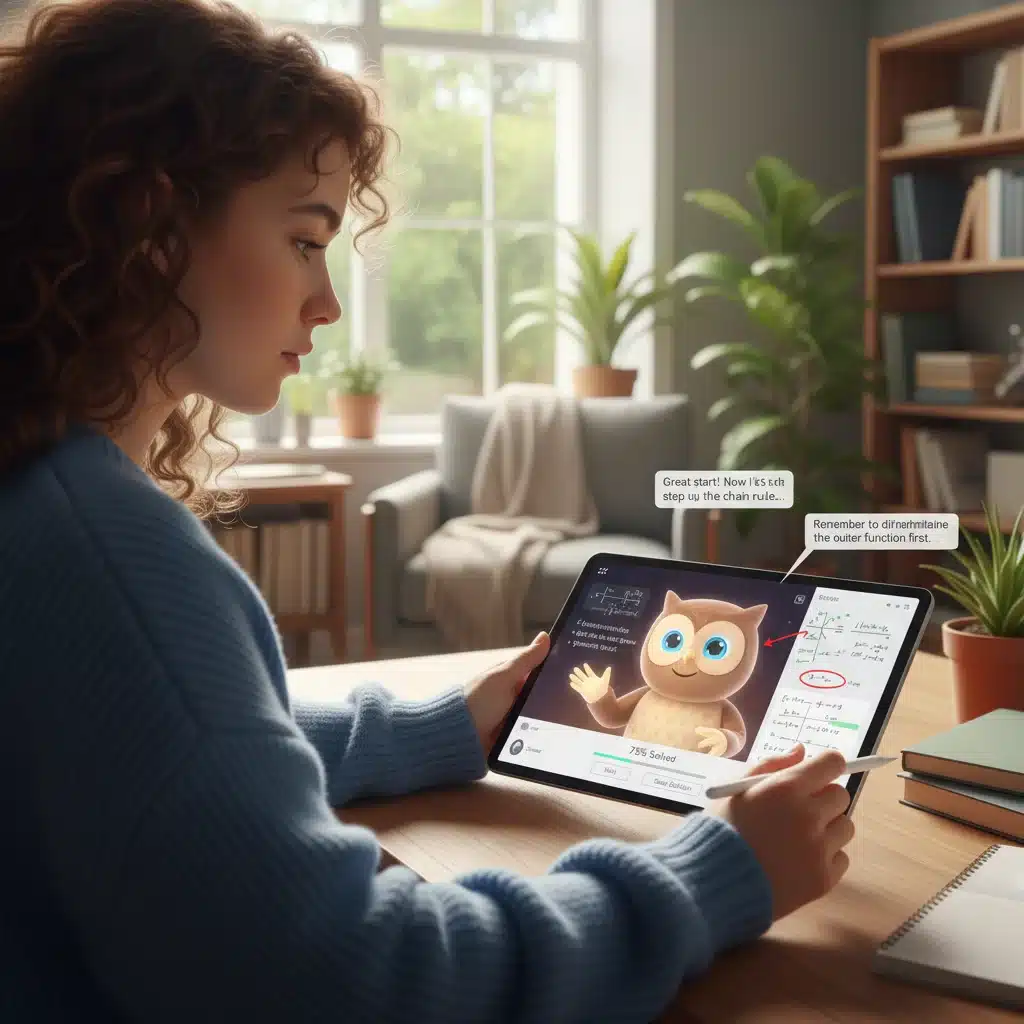
Intelligent Tutoring Systems (ITS) are sophisticated AI applications designed to mimic the one-on-one interaction of a human tutor. They provide immediate, personalized feedback, answer questions, explain concepts, and guide students through complex problems. Unlike traditional computer-aided instruction, ITS can understand the nuances of a student’s responses, identify the root cause of errors, and offer targeted remediation.
The efficacy of ITS stems from their ability to maintain a detailed model of each student’s knowledge state. This model is continuously updated as the student interacts with the system. Based on this model, the ITS can select appropriate problems, provide hints at just the right moment, and offer explanations tailored to the student’s specific area of difficulty. This personalized guidance is invaluable, especially in subjects like mathematics, science, and programming, where sequential understanding is crucial. By 2026, ITS will be more sophisticated, incorporating natural language processing for more intuitive interactions and even emotional AI to gauge student frustration or engagement.
3. Learning Analytics and Data-Driven Insights
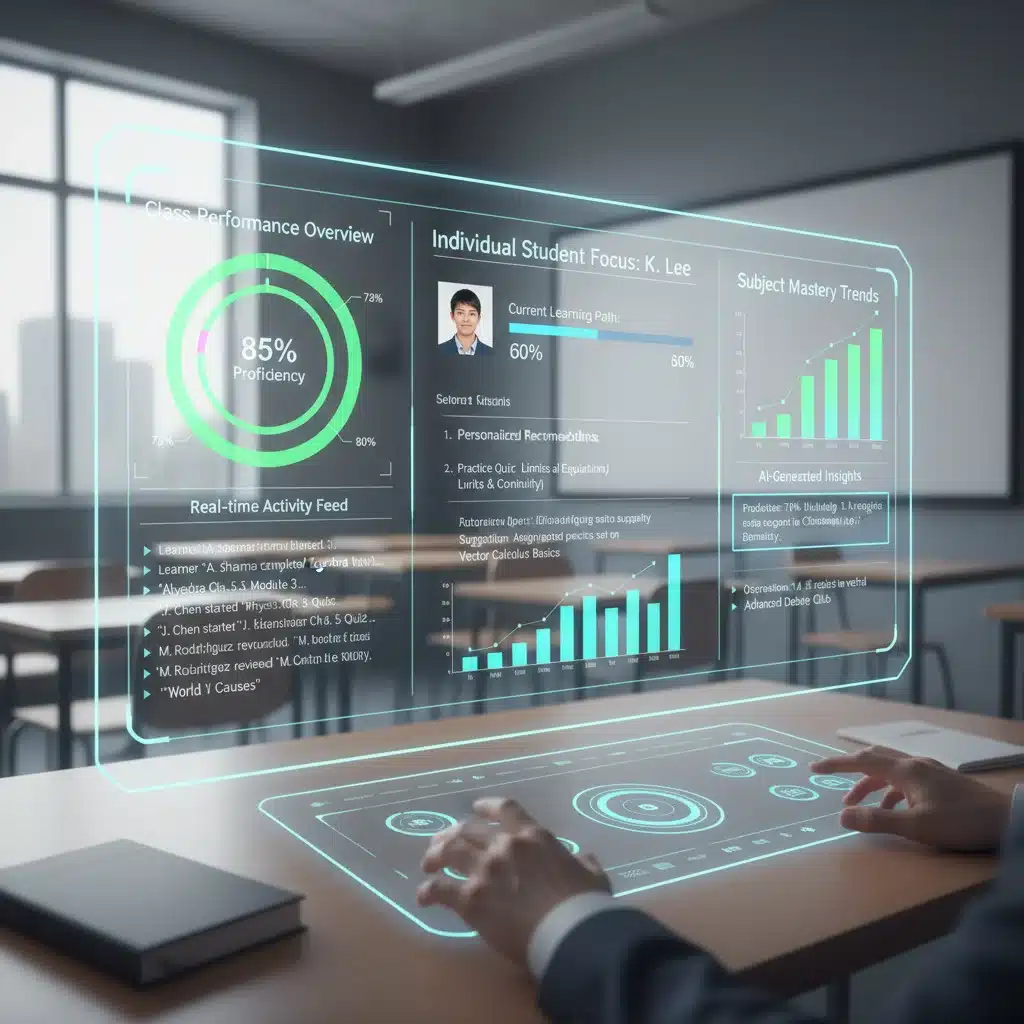
AI’s strength in data analysis is particularly impactful in education through learning analytics. These tools collect and analyze vast amounts of data about student interactions, performance, and engagement patterns. This data provides educators, administrators, and even students themselves with actionable insights into the learning process.
For educators, learning analytics can highlight struggling students, identify areas where the curriculum might be unclear, or pinpoint teaching strategies that are most effective. For students, these insights can reveal their own learning habits, strengths, and areas needing improvement, empowering them to take more ownership of their education. The ultimate goal is to move beyond simply grading performance to understanding the entire learning journey, allowing for continuous optimization of educational strategies. By 2026, these analytics will be even more predictive, allowing for earlier interventions and more precise recommendations for both students and teachers.
4. Content Curation and Recommendation Engines
The digital age has brought an explosion of educational content, but finding the right resources for each student can be overwhelming. AI-powered content curation and recommendation engines solve this problem. These systems analyze a student’s learning profile, progress, and interests to suggest relevant articles, videos, interactive simulations, and even external courses.
Much like how streaming services recommend movies, these engines can recommend learning materials that are most likely to resonate with and benefit a particular student. This not only saves time for both students and teachers but also broadens the scope of learning beyond traditional textbooks, exposing students to a rich diversity of perspectives and formats. The ability to dynamically pull from a global repository of educational resources, tailored to individual needs, is a powerful driver of engagement and deeper learning.
5. Automated Assessment and Feedback
Grading and providing feedback on assignments can be incredibly time-consuming for educators. AI offers solutions through automated assessment tools that can grade essays, code, and complex problem sets with remarkable accuracy. More importantly, these tools can provide instant, targeted feedback that helps students understand why they made an error and how to improve.
Automated feedback is crucial for maintaining student engagement. Waiting days or weeks for feedback can diminish the learning impact. With AI, students receive immediate insights, allowing them to correct misconceptions while the material is still fresh in their minds. This iterative feedback loop accelerates learning and reinforces good study habits. While human teachers will always play a critical role in evaluating nuanced, creative work, AI can handle the bulk of formative assessments, freeing up teachers to focus on higher-level instruction and individualized support.
The Impact on Student Engagement: A 20% Increase by 2026
The projection of a 20% increase in student engagement by 2026 due to AI Personalized Learning is not an arbitrary figure. It stems from the fundamental ways AI addresses core drivers of disengagement in traditional educational settings:
- Relevance: When learning is personalized, it feels more relevant to the student. AI ensures that content aligns with their current understanding and future goals, making the learning journey more meaningful.
- Challenge & Success: AI maintains an optimal level of challenge. Students are neither bored by overly simple tasks nor frustrated by impossible ones. This balance fosters a sense of competence and encourages persistence.
- Autonomy: Personalized learning often grants students more control over their learning path, pace, and even choice of resources. This sense of autonomy is a powerful motivator.
- Immediate Feedback: As discussed, instant feedback from AI tutors and assessment tools helps students learn from mistakes quickly, reducing frustration and maintaining momentum.
- Diverse Modalities: AI can identify a student’s preferred learning style and present information in formats that resonate most effectively, whether through videos, interactive simulations, text, or auditory explanations.
- Reduced Anxiety: In a personalized environment, students can learn at their own pace without the pressure of keeping up with a whole class or fearing public mistakes. This reduces anxiety and creates a more conducive learning atmosphere.
When students are engaged, they are more likely to attend class, participate actively, complete assignments, and ultimately achieve better learning outcomes. The personalized nature of AI-driven education directly targets these engagement factors, creating a more dynamic, responsive, and ultimately more effective learning environment. This 20% increase represents a significant leap forward in addressing the persistent challenge of student disengagement that plagues educational systems worldwide.
Challenges and Ethical Considerations
While the promise of AI Personalized Learning is immense, its implementation is not without challenges and ethical considerations that must be carefully addressed as we move towards 2026:
1. Data Privacy and Security
AI systems rely heavily on student data. Protecting this sensitive information from breaches and misuse is paramount. Robust security protocols, transparent data policies, and strict adherence to privacy regulations (like GDPR or FERPA) are essential to build trust among students, parents, and educators. The ethical use of data, ensuring it is used solely for educational improvement and not for commercial exploitation, must be a foundational principle.
2. Algorithmic Bias
AI algorithms are only as unbiased as the data they are trained on. If historical educational data contains biases related to socioeconomic status, gender, or race, AI systems could inadvertently perpetuate or even amplify these biases, leading to unequal educational opportunities. Developers must actively work to identify and mitigate bias in their algorithms and training data to ensure equitable outcomes for all students.
3. Teacher Training and Adoption
The successful integration of AI requires significant investment in teacher training. Educators need to understand how to effectively use AI tools, interpret learning analytics, and blend AI-driven instruction with their own pedagogical expertise. Resistance to new technology or a lack of adequate training can hinder adoption and limit the potential benefits of AI.
4. Digital Divide and Equity
The benefits of AI Personalized Learning risk exacerbating the digital divide if access to technology and reliable internet connectivity is not universal. Ensuring equitable access to AI-powered learning tools for students in underserved communities is crucial to prevent further disparities in educational outcomes. This requires public-private partnerships and thoughtful policy-making.
5. Over-reliance on Technology and Soft Skills
While AI can enhance learning, there’s a risk of over-reliance on technology, potentially diminishing the development of critical soft skills like collaboration, communication, and creative problem-solving that are often best fostered through human interaction. The goal is to use AI to augment, not replace, human elements of education, ensuring a balanced approach that nurtures a well-rounded individual.
The Future of Education in 2026 and Beyond
By 2026, the integration of AI Personalized Learning will no longer be an experimental niche but a mainstream component of educational systems globally. We will see:
- Hybrid Learning Models: AI will seamlessly integrate into hybrid learning environments, supporting both in-person and remote instruction, offering continuity and personalized support regardless of location.
- Dynamic Curriculum Development: AI will assist in real-time curriculum adjustments, identifying gaps or areas of difficulty across student populations and suggesting improvements to course content.
- Career Pathway Guidance: More sophisticated AI will not only guide students through academic subjects but also help them explore career pathways based on their evolving skills, interests, and real-time labor market demands.
- Lifelong Learning Ecosystems: AI will power lifelong learning, providing personalized recommendations for upskilling and reskilling, making continuous education accessible and relevant for adults in an ever-changing professional landscape.
- Global Collaboration: AI-powered translation and communication tools will facilitate unprecedented global collaboration among students and educators, breaking down language barriers and fostering diverse perspectives.
The role of the teacher will evolve from being primarily a content deliverer to a facilitator, mentor, and guide. Teachers will leverage AI to offload administrative tasks and data analysis, allowing them to focus on the human elements of teaching: fostering creativity, critical thinking, emotional intelligence, and building meaningful relationships with students. The classroom will transform into a dynamic hub of individualized discovery, where every student’s potential is recognized and nurtured through AI-driven insights and support.
Conclusion: Embracing the AI-Powered Educational Revolution
The year 2026 marks a pivotal moment in the history of education, where AI Personalized Learning is expected to lead to a significant, quantifiable increase in student engagement. This revolution is not just about technology; it’s about reimagining education to be more equitable, effective, and profoundly human-centered. By leveraging AI’s ability to understand, adapt, and personalize, we can unlock the full potential of every learner, preparing them not just for tests, but for a future that demands adaptability, critical thinking, and a lifelong love of learning.
The journey towards this future requires thoughtful planning, ethical considerations, and collaborative efforts from policymakers, educators, technologists, and communities. But the destination—an educational system where every student receives an experience uniquely tailored to their needs, fostering deep engagement and unparalleled success—is a vision worth pursuing with vigor and optimism. The AI-powered educational revolution is here, and it promises to reshape learning for the better, one personalized experience at a time.